26 April 2023
3876
2 min.
10
The grocery perception problem
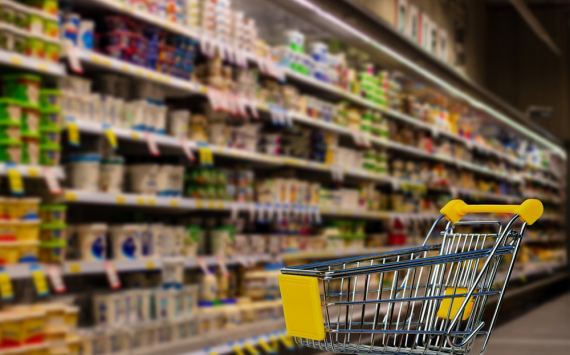
Perception is a powerful force, and in the world of grocery retail, it can drive customers away from even the biggest national and regional chains. You've probably heard it from friends and family: complaints about how expensive groceries have become, how prices seem to have skyrocketed in recent years.
While it's true that prices have increased, the reasons for these price hikes are complex. Supply chains were disrupted by the COVID-19 pandemic, and changing consumption patterns led to higher prices across the board.
But the issue for retailers, particularly grocery leaders like Walmart, Target, and Kroger, goes beyond inflation. They're facing a perception problem, with surveys showing that consumers believe prices are higher than they really are, and that retailers are taking advantage of the situation.
What's troubling is that retailers like Walmart, Target, and Kroger have actually sacrificed profit margins to keep prices down.
Americans overestimate grocery retailers' profit margin by 14 times, with a perceived margin of 35.2% compared to an actual average of 2.5%. Additionally, they overestimate food-at-home inflation by double the actual rate reported by the U.S. Bureau of Labor Statistics, with a perceived rate of 24.3%.
A survey of 2,000 consumers done by Attest in February found that four out of five consumers believe brands are involved in "greedflation," using inflation as an excuse to hike their prices. But a closer look at the earnings reports for companies like Kraft Heinz, Unilever, Nestle, and others shows that they generally have kept their increases around, and in most cases under, the inflation rate.
Inflation is slowing, but it's still impacting food prices in the U.S. The latest data from the U.S. Labor Department's Bureau of Labor Statistics shows that food prices increased by an average of 8.5% in the 12 months ending in March 2023, with cereal and bakery products up 13.6% and fruits and vegetables up 2.5%. However, this is a slight improvement from February's 9.5% increase.
Retailers can't do much to change how people feel about these price hikes, but they can continue to try to show value to consumers.
Ultimately, retailers need to work to change the narrative with consumers or risk losing them to competitors like Dollar General, which has over 17,000 outlets nationwide.
Companies10 in the news





Section:
Source foto:
Related news
784

2851

2914

2234

Last news















NEW YORK NEWS
News from GlobalNY.biz is the freshest and most relevant information about high-profile events in the region. The task of the resource's news feed is to convey to readers with maximum accuracy and objectivity information about important events in business, politics, economy, healthcare, culture and other spheres of life in New York.
GlobalNY.biz news is a coverage of economic processes taking place in New York, the latest news of public life, incidents and an overview of political events. New York news is information about the activities of small and medium-sized businesses, the work of housing and communal services and utilities, the implementation of significant projects.
The site's journalists describe not only the life of the region, but also talk about the current state of the US economy. Everything you need to know about innovations in the field of industry and agriculture, economy and power is collected in the "News" section at GlobalNY.biz.
New York news quickly informs the reader, shows the real picture and opens up hot topics. Communication with government structures and business enables us to provide our readers with reliable, information-rich material. The main page of the portal contains the key news of New York!
Alena Potapova
Development Director